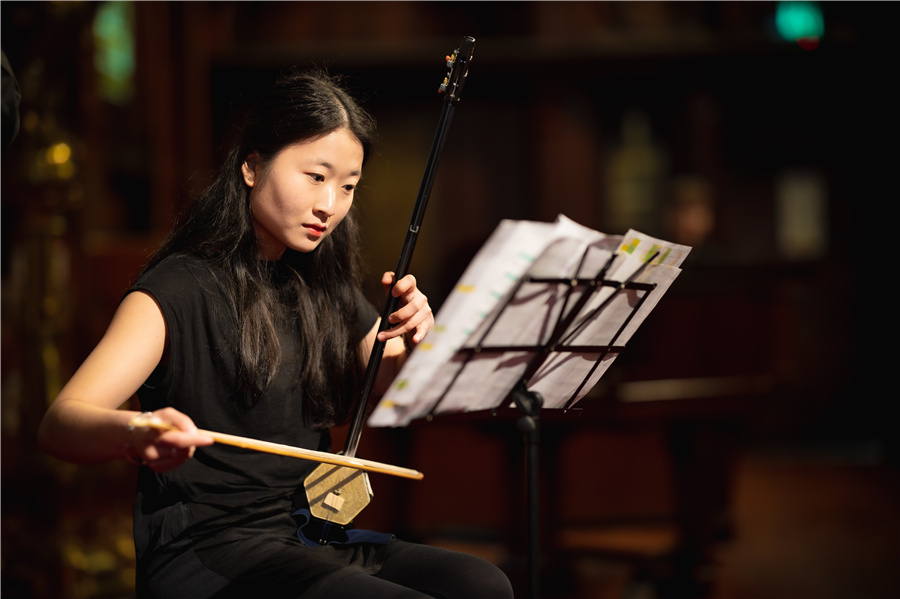
Chinese folk music
中国民间音乐
- 分类: 艺术瑰宝
- ID: 1861964585052778497
Home CategoryArtsChinese folk musicPlay2.5 minsChinese folk music is a diverse traditional musical form integral to China's intangible cultural heritage, deeply rooted in history, reflecting the nation's cultural landscapes and regional identities.ShareRelated Videos**Chinese Music Tutorial: 'Horse Racing' on erhu 00:02:20Chinese folk music resonates in New Zealand 00:02:46Chinese Music Tutorial 5: Learn to play small cymbal 00:00:51Catalogue1. Origins and Historical Development2. Instruments and Musical Structure3. Regional Variations4. Preservation and Cultural Significance
Origins and Historical Development
Chinese folk music has ancient origins, dating back thousands of years. Throughout history, it has been influenced by various dynasties, each contributing unique elements to its evolution. Traditionally, folk music was used in ceremonies, festivals, and daily life, acting as a medium for storytelling and cultural transmission. The music often features classical Chinese instruments such as the guzheng, erhu, pipa, and dizi, and is characterized by its distinctive melodies and rhythms that vary from region to region.
Instruments and Musical Structure
Traditional Chinese instruments play a crucial role in folk music. The "guzheng" is a plucked string instrument known for its expressive range and resonance. The "erhu", a two-stringed bowed instrument, is beloved for its lyrical and emotive sound. The "pipa", a pear-shaped lute, and the "dizi", a bamboo flute, are also commonly used, each adding unique textures to the music. Chinese folk music typically employs pentatonic scales, creating a sound that is both distinctive and instantly recognizable.
Regional Variations
Chinese folk music is greatly varied, with distinct styles and traditions in different regions. For instance, the music of the Han people, the largest ethnic group in China, is known for its elegant melodies and structured compositions. In contrast, the music of the ethnic groups, such as the Zhuang, Miao, and Mongolian peoples, often features vibrant rhythms and lively dances. Each region's music reflects its unique cultural influences, history, and environment.
Preservation and Cultural Significance
The preservation of Chinese folk music is of great cultural significance as it serves as a testament to the country’s rich historical tapestry and diverse cultural heritage. Efforts have been made to document and revitalize traditional music practices. Various festivals, concerts, and competitions are held to celebrate and promote folk music, providing platforms for artists to showcase their work. These initiatives not only keep the traditions alive but also inspire new generations to appreciate and participate in this vibrant art form. Article reference1. Online album promoting traditional Chinese folk music released. chinadaily.com.cn. 20192. Highlighting the charm of Chinese folk music in Colombia. chinadaily.com.cn. 2018Photo Gallery(6 pictures)CategoriesArtsTagChinese MusicRelatedDizi (Chinese Flute)Long MarchWeifang International Kite FestivalChina Xinjiang International Ethnic Dance FestivalCatalogue1. Origins and Historical Development2. Instruments and Musical Structure3. Regional Variations4. Preservation and Cultural Significance- - - []








